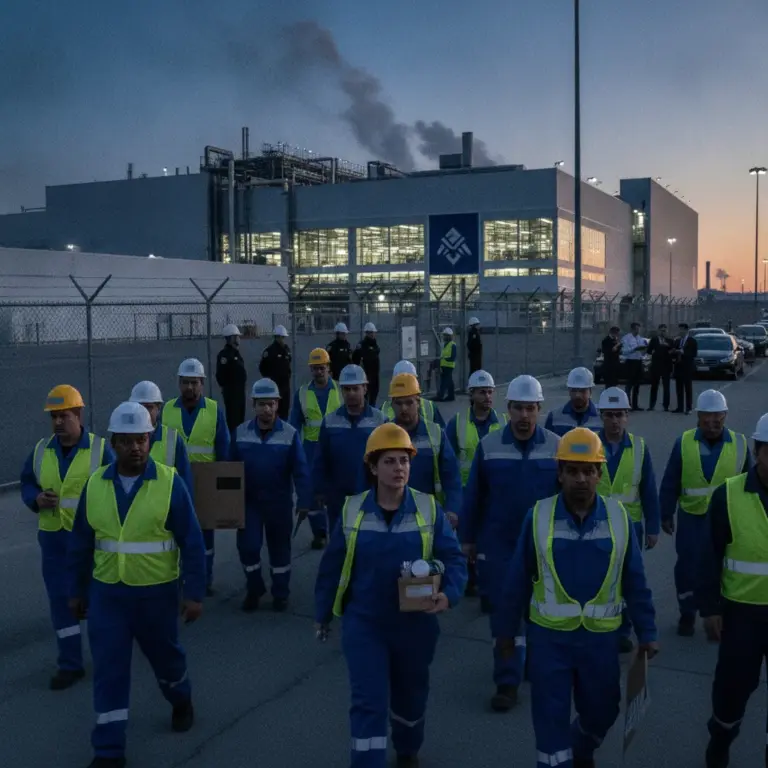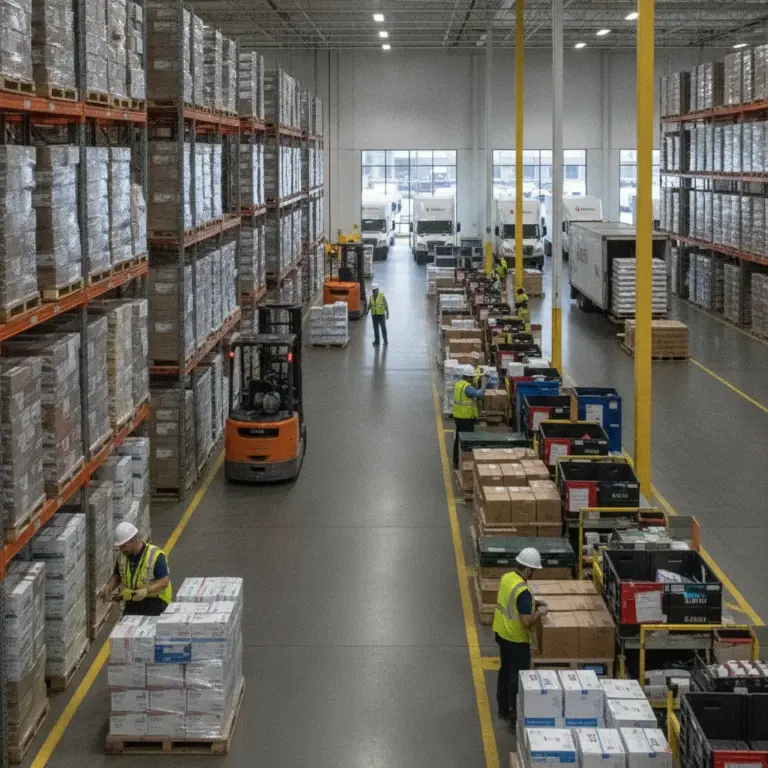
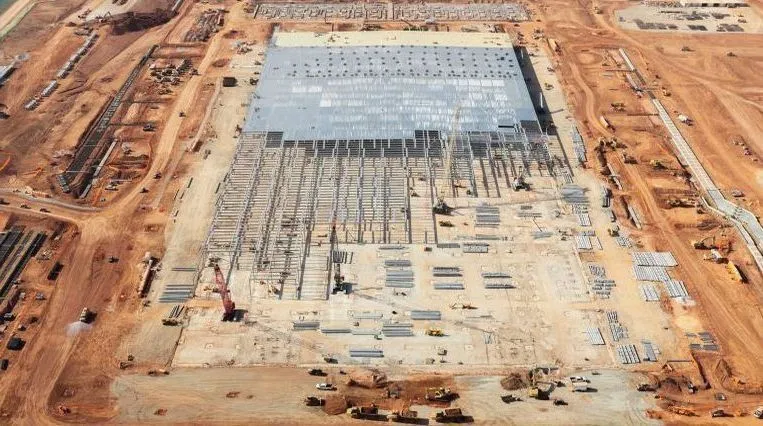
America may have just voted to pull the plug on its most aggressive investment streak since the era of the transcontinental railroad. Following a series of political upsets, including a surprising victory in the Texas governor’s race and broad Democratic gains nationwide, the momentum behind the nation’s artificial intelligence buildout is facing a sudden headwind. With incoming governors in several key states eyeing stricter regulations, tax incentive cuts, and expanded construction moratoriums, nearly half of the country’s planned data center capacity now sits within jurisdictions that are skeptical of unfettered tech expansion.
The stakes are highest in Texas, which serves as the epicenter for AI infrastructure. Analysts suggest that even a modest dip in planned capacity in the Lone Star State could trigger a ripple effect, slashing overall Big Tech spending by billions of dollars. While President Trump remains a vocal proponent of rapid growth to maintain a competitive edge over China, state and local leaders hold significant leverage over land use, utility guarantees, and zoning permits. For many projects currently stuck in administrative limbo, these shifting political winds could turn promising developments into financial liabilities overnight.
Economists note that this cooling period might actually be a necessary correction. This unprecedented spending spree has acted as a primary engine for U.S. economic growth this year, but it has also fueled inflation and sparked public backlash over resource consumption. There is growing suspicion on Wall Street that some players in the AI space have been operating on unsustainable business models, pouring capital into facilities that may never generate a profit. By forcing a slower pace, these new regulatory hurdles could prune the industry’s excesses and push AI toward a more stable long term trajectory.
Ultimately, the tension between federal ambition and local control highlights a rare moment where regional politics carry global weight. While thousands of jobs depend on continued construction and the promise of technological revolution remains potent, the electorate seems to be signaling a desire for guardrails. Whether this transition leads to an economic slump or creates room for healthier corporate discipline depends on how quickly tech giants can adapt to a world where growth is no longer guaranteed by default.